Top 5 FAQs About Abortion Pills in Dubai and Abu Dhabi
Navigating questions about abortion pills in Dubai and Abu Dhabi is crucial for women seeking safe, legal options amid UAE’s evolving regulations. This guide addresses the top 5 FAQs with the latest 2024-2026 updates, helping you understand eligibility, processes, and risks while prioritizing your health and compliance with UAE law.
What Are Abortion Pills and How Do They Work in the UAE Context?
Abortion pills, often referring to medications like mifepristone and misoprostol, induce medical abortion by terminating early pregnancies without surgery. In the UAE, including Dubai and Abu Dhabi, these pills fall under strict medical liability laws and are not available over-the-counter or for self-administration outside approved protocols.
The process typically involves:
- Mifepristone (first pill): Blocks progesterone, halting pregnancy growth.
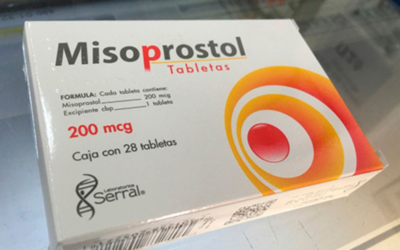
- Misoprostol (second pill, taken 24-48 hours later): Causes uterine contractions to expel the pregnancy tissue.
In UAE facilities, this must occur within the first 120 days of pregnancy and only after committee approval for permitted cases. Unlike informal black-market use reported in past years, legal use ensures medical supervision to prevent complications like heavy bleeding or infection.
Historical context shows risky self-use of ulcer pills pre-2024 reforms, leading to failures in 15-20% of cases and potential fatalities. Current laws, updated via Cabinet Decision No. 44/2024 (effective June 2024), integrate pills into licensed procedures at authorized clinics in Dubai and Abu Dhabi, emphasizing safety.
For expatriates, a valid UAE residency of at least one year is required, aligning with residency rules for non-citizens.
FAQ 1: Are Abortion Pills Legal in Dubai and Abu Dhabi?
Yes, abortion pills are legal in Dubai and Abu Dhabi under five specific circumstances, as per Federal Decree-Law No. 4/2016 on Medical Liability and Cabinet Decision No. 44/2024, but only through licensed healthcare facilities.
Permitted cases include:
- Pregnancy from rape or non-consensual intercourse.
- Incestuous pregnancy.
- Spousal request, approved by a regulatory committee.
- Risk to the woman’s life from continuing the pregnancy.
- Severe fetal deformation confirmed medically.
Procedures, including pill-based abortions, must be performed by a specialist obstetrician-gynecologist in approved facilities. The regulatory committee – comprising an obstetrics-gynecology expert, psychiatrist, and Public Prosecution representative – reviews requests within five working days.
Non-compliance risks severe penalties: up to seven years imprisonment for assisting illegal abortions under UAE Penal Code Article 40. Post-2024 expansions reduced unsafe practices, with legal abortions averaging around 25 annually at facilities like Corniche Hospital in Abu Dhabi pre-reforms.
Expatriates in Dubai or Abu Dhabi need one-year residency; citizens follow simplified processes. Always consult drahmedabortioncenteruae.com/ for guidance on compliant options.
FAQ 2: What Is the Process to Obtain Abortion Pills in Dubai and Abu Dhabi?
Obtaining abortion pills in Dubai and Abu Dhabi requires a structured, committee-approved process to ensure legality and safety.
Step-by-Step Process:
- Initial Consultation: Visit a licensed facility for pregnancy confirmation (under 120 days) and assessment of eligibility.
- Submit Request: Provide medical history; non-citizens submit proof of one-year UAE residency.
- Committee Review: Formed by Ministry of Health and Prevention (MoHAP) or emirate health authority. Includes OB-GYN specialist, psychiatrist, and prosecutor. They may request expert input; decision in 5 days.
- Approval and Consent: Unanimous approval needed; appeals possible within 5 days. Written consent from the woman (or husband/guardian if unable); emergency waives this.
- Procedure: Administered at licensed site with pre/post counseling. Physicians file reports on pregnancy duration, reasons, and outcomes.
- Follow-Up: Monitoring for complications; social/medical advice provided.
In Dubai (via Dubai Health Authority) and Abu Dhabi (via Department of Health – Abu Dhabi), private clinics licensed post-October 2023 can perform these, no longer requiring spousal consent universally.
This framework, expanded in June 2024, prioritizes women’s safety over past illegal methods costing up to AED 5,000 on black markets.
FAQ 3: What Are the Eligibility Requirements for Abortion Pills in UAE?
Eligibility for abortion pills in Dubai and Abu Dhabi hinges on the five legal grounds, gestational limits, and residency status.
Key Requirements:
- Gestational Age: Strictly under 120 days (about 17 weeks) to avoid complications.
- Medical Fitness: No risks posing threat to woman’s life post-procedure.
-
Documentation: Requirement Citizens Expatriates Residency N/A 1+ year valid UAE permit Consent Woman’s written consent (or proxy) Same + residency proof Committee Approval Mandatory for all cases Mandatory - Specific Cases:
- Rape/incest: Proven via reports.
- Fetal issues: Confirmed by three specialists (OB-GYN, pediatrics, radiology).
- Life risk: Sole lifesaving option, physician report.
Facilities must provide counseling. Violations, like unapproved prescriptions, breach Article 16 of Medical Liability Law.
For reliable support, explore resources at drahmedabortioncenteruae.com/.
FAQ 4: What Are the Risks and Side Effects of Abortion Pills in Dubai and Abu Dhabi?
When used legally under supervision in Dubai and Abu Dhabi, abortion pills are safe, with success rates over 95% for early pregnancies, but risks exist.
Common Side Effects:
- Cramping and bleeding (like heavy period, 4-5 hours post-misoprostol).
- Nausea, vomiting, diarrhea, fever (usually resolve in 24 hours).
Serious Risks (Rare, <1%):
- Heavy bleeding requiring transfusion.
- Incomplete abortion needing surgical follow-up.
- Infection (prevented by antibiotics in protocols).
UAE mandates facility reports and follow-up to mitigate these, unlike pre-2024 black-market dangers (15-20% failure, infections). No deaths reported in legal cases; advocacy pushes for post-120-day options for late-detected issues.
Seek immediate care for excessive bleeding (>2 pads/hour) or fever >100.4°F. Licensed clinics ensure this oversight.
FAQ 5: Where Can I Access Abortion Pills Safely in Dubai and Abu Dhabi?
Access abortion pills only at MoHAP or emirate-approved facilities in Dubai and Abu Dhabi, such as government hospitals (e.g., Corniche in Abu Dhabi) or licensed private clinics post-2023 reforms.
Key Locations and Tips:
- Abu Dhabi: Department of Health-approved sites; committee via health authority.
- Dubai: Dubai Health Authority facilities; private options available.
- Verify licensing: Must offer OB-GYN services, counseling, and reporting.
Avoid unregulated sources – penalties include jail and deportation. For confidential advice on navigating this, visit drahmedabortioncenteruae.com/.
Addressing Common Concerns and Recent Changes
UAE’s 2024 reforms – adding rape, incest, and spousal request cases – mark progress from pre-2024 restrictions, reducing unsafe abortions. Forums like Reddit and Quora highlight expatriate worries on residency and stigma, but legal paths now offer relief.
Myths Busted:
- No spousal consent always needed: Only for certain cases; woman’s consent primary.
- Pills not standalone: Always supervised, not home-use.
- Expat access: Possible with 1-year residency.
Medical professionals note fewer illegal cases post-reforms, with committees ensuring ethical decisions backed by fatwas.
Next Steps for Safe and Legal Options
Empower yourself with UAE’s updated laws on abortion pills in Dubai and Abu Dhabi – knowledge prevents risks and ensures compliance. Consult licensed providers promptly if eligible, and use resources like drahmedabortioncenteruae.com/ for expert guidance tailored to your situation. Prioritize health; legal paths protect you best.